
Choosing Your Portfolio Layout
Three layout approaches and when each one works best. Covers grid-based, case study-focused, and minimalist styles.
Read ArticleDesign showcase strategies specifically for Malaysian web designers. Stand out with intentional, professional presentations of your work.
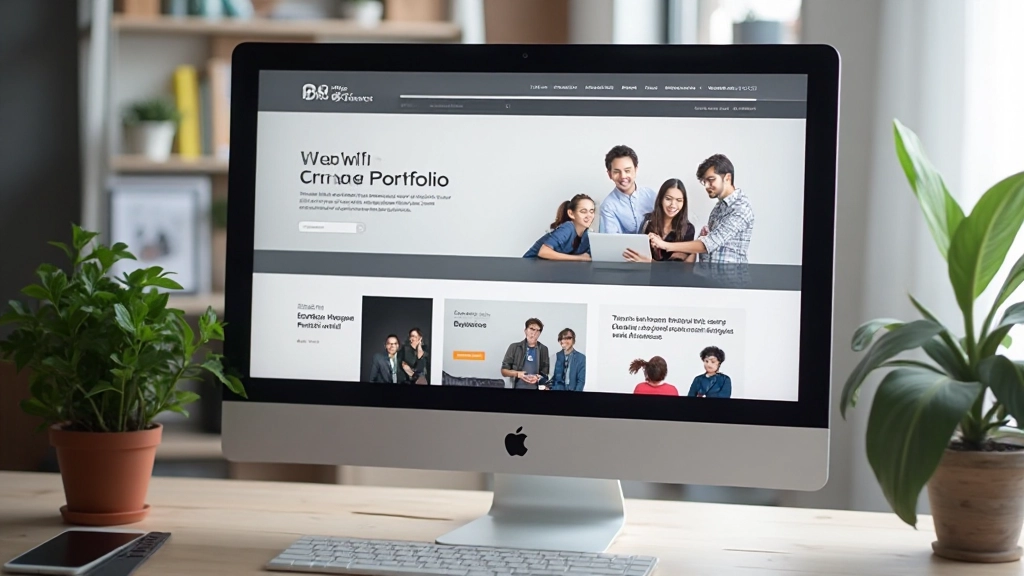
A straightforward approach to building a design portfolio that showcases your actual work and attracts the right clients.
Identify the type of work you want to showcase. Are you focused on web design, UX/UI, branding, or a mix? Being clear about your specialization helps attract projects that match your skills.
Select 5-8 of your strongest projects. Quality matters more than quantity. Each project should demonstrate different skills or approaches you’ve developed over time.
For each project, explain the challenge, your solution, and the results. Don’t just show the design—explain your thinking and the impact of your work.
Ensure your portfolio itself reflects your design standards. Typography, color, spacing, and layout should feel intentional and cohesive throughout.
Master the key elements that make a portfolio professional, compelling, and effective at attracting clients and opportunities.
Learn how to choose a cohesive color palette that reflects your design sensibility and guides visitors through your work effectively.
Understand font pairing, sizing, and spacing techniques that make your portfolio readable and visually sophisticated.
Present your design process and outcomes in a way that helps visitors understand your methodology and impact.
Ensure your portfolio looks professional on every device. Mobile visitors represent a significant portion of your audience.
Discover grid-based, asymmetric, and minimalist approaches to organizing your projects for maximum visual impact.
Understand SEO basics and how to make your portfolio easy to find through search engines and professional networks.
In a competitive field, a well-designed portfolio isn’t just helpful—it’s essential. It demonstrates your skills directly and shows potential clients exactly what you can deliver.
A professional portfolio attracts clients who appreciate design quality and are willing to invest in good work. You’ll spend less time on poorly-fit projects.
Beyond the final design, clients want to understand how you think and solve problems. A strong portfolio tells that story clearly.
In Malaysia’s growing design community, a distinctive, well-organized portfolio helps you differentiate from competitors.
New designers especially benefit from a polished portfolio. It demonstrates professionalism before you’ve built a long client history.

Deep dives into portfolio strategy, design decisions, and practical implementation for Malaysian web professionals.

Three layout approaches and when each one works best. Covers grid-based, case study-focused, and minimalist styles.
Read Article
What to include in project descriptions and how to highlight your actual contribution without overstating anything.
Read Article
How typography, color, and spacing choices create a cohesive brand experience. Includes common mistakes to avoid.
Read ArticlePractical answers to questions we hear from designers building their professional portfolios.
Most designers find 5-8 projects is the sweet spot. You want enough to show range and depth, but not so many that visitors feel overwhelmed. Quality always beats quantity—one exceptional project beats five mediocre ones.
Yes, if they’re strong. Client work is ideal, but well-executed personal projects demonstrate your ability and creativity. Just be honest about what you did and why. If you don’t have client work yet, thoughtful personal projects are completely acceptable.
Create case studies that describe your process and impact without revealing sensitive details. Focus on the challenge you solved, your approach, and measurable outcomes. You can often show before/after screenshots or redesign examples.
Refresh your portfolio whenever you complete significant new work. At minimum, review and update it every 3-6 months. Remove weaker projects as you create stronger ones. Your portfolio should always reflect your current skill level.
Not at all. In fact, simpler is often better. Your portfolio’s job is to showcase your design work, not to be a technical showcase. Clean, readable, and fast-loading beats fancy and slow every time.
If you have them, yes. Authentic client feedback builds credibility. Just keep it brief—one or two strong quotes are more impactful than many mediocre ones. Make sure they’re relevant to your design work.
Understanding what makes portfolios effective in attracting clients and opportunities.
of hiring managers check portfolios first
Your portfolio is often the first thing potential clients review before contacting you.
ideal number of showcase projects
A focused selection of strong work is more impressive than a large collection of average projects.
average initial impression time
Your portfolio’s visual design creates a first impression in under 3 seconds. Make it count.
portfolio visitors on mobile
Your portfolio must look professional on phones and tablets, not just desktops.
Get personalized guidance on portfolio strategy, design decisions, and technical implementation. We’re here to help you create a professional showcase that attracts the right opportunities.
Start Your Journey